Portland Water Damage Restoration, Step by Step
Compare provider estimates
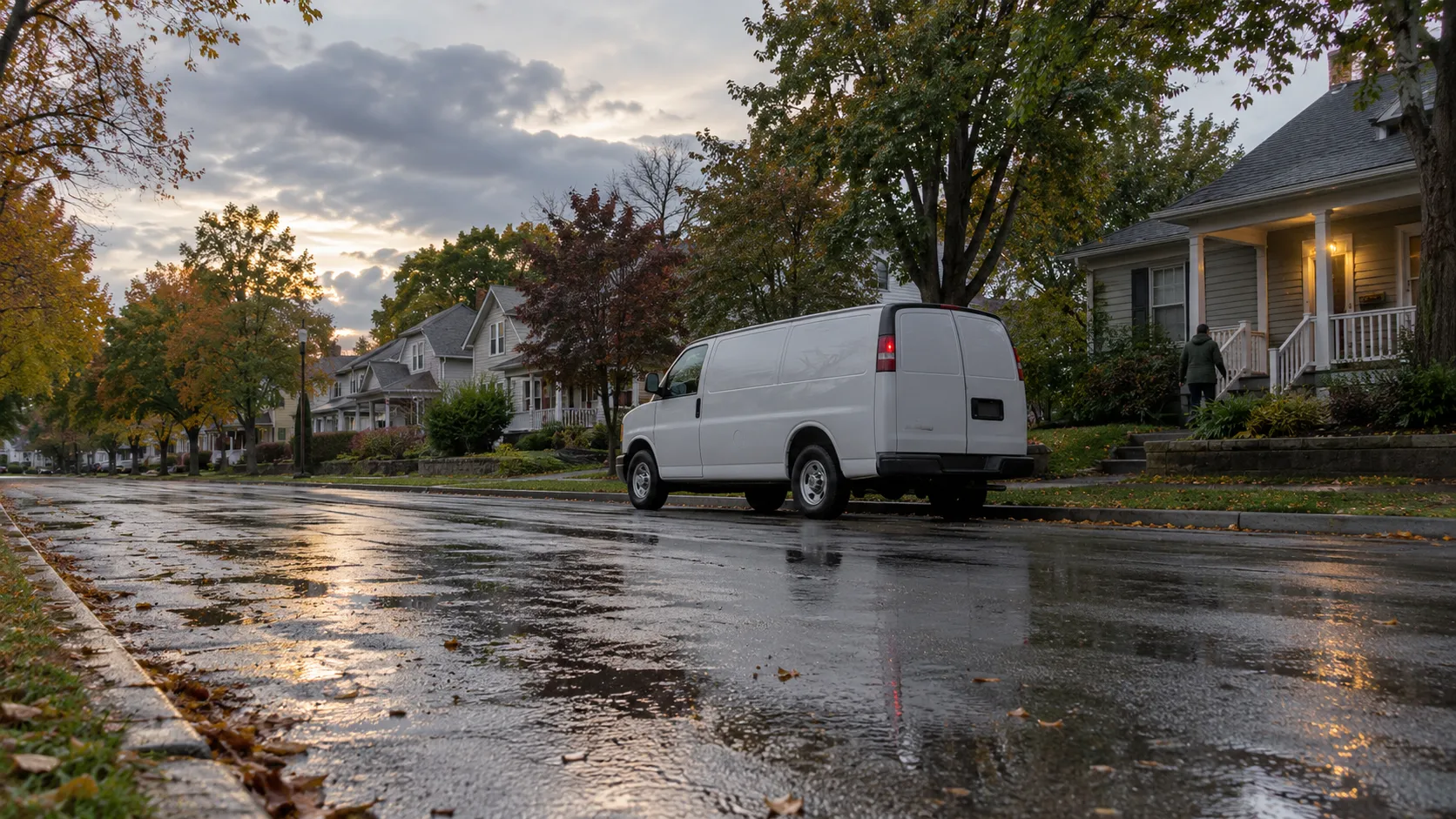
A wet floor raises two questions fast: what do I do, and what happens next? This page walks through the paperwork, a typical job timeline, rough costs, and the kinds of homes common in the Greater Portland area. Alliancebody Restoration is a referral service. It connects Portland homeowners with independent local providers so you can compare estimates and decide at your own pace.
Document first, because paperwork matters
Before you haul anything out, make a record. It helps with any provider and with any insurance claim.
- Take wide shots of each wet room, then close-ups of damage.
- Record a slow video walk-through.
- List ruined items with a rough age and price.
- Keep receipts for supplies, hotel stays and repairs.
- Save the damaged item itself if you can, or snap its label.
- Note the date and time you found the water, and the likely source.
Some policies may cover sudden damage, such as a burst pipe. Others exclude flooding from outside or slow leaks. Read your policy, and ask your insurer what applies to you. Providers can often help document damage for a claim, but they cannot decide coverage.
What a typical job timeline looks like
Every home is different. Still, most jobs follow a similar path. A provider in the network may work like this:
1. Assessment. The provider checks the source, the wet areas and the moisture levels, then explains a plan. 2. Water extraction. Standing water is pumped or vacuumed out. 3. Tear-out, if needed. Wet pad, insulation or drywall that cannot dry is cut away. 4. Structural drying. Air movers and dehumidifiers run for several days while the provider checks readings. 5. Cleaning. Surfaces are cleaned and treated for odor or mold risk. 6. Rebuild. Some providers handle repairs. Others hand off to a contractor.
Drying often takes a few days, but it depends on the materials and how long they stayed wet. Ask each provider how they will measure progress.
Costs, in plain terms
Prices swing with the size of the job. As a typical U.S. range, a small cleanup may run a few hundred dollars. A flooded basement with tear-out and several days of drying can run into the thousands. Ask for a written quote that lists the work, the equipment and what is not included.
Request a callback to check provider availability and ask what a quote would cover for your situation.
Homes in and around Portland
The region sees cold, snowy winters and spring snowmelt. Coastal storms can add heavy rain and wind. Those conditions shape the way water gets into a house.
- Older homes. Aging pipes, tired roofs and worn flashing leak more often.
- Stone and block foundations. Water can seep through joints and low walls after a thaw or a long rain.
- Full basements. They collect water first. They also hide it behind storage and finished walls.
- Cape Cod style homes. Rooms tucked under sloped ceilings can hide roof leaks and ice dam damage.
- Multi-family buildings. A leak upstairs can soak a unit below. Sort out who is responsible and document each unit.
A provider who works in the area has likely seen these setups before, and can explain what is normal and what is not.
When DIY is fine, and when it is not
Some things you can handle with a mop and a few spare hours. Do these yourself:
- Shut off the water and, if safe, the power to the wet area.
- Blot up a small clean-water spill.
- Move furniture, boxes and rugs out of the wet zone.
- Run fans and a household dehumidifier on a minor spill.
Stop and bring in a provider if:
- Water has been sitting more than a day.
- It came from a sewer, a drain or outside flooding.
- Walls, ceilings or insulation are wet.
- You see mold or smell a musty odor.
- The wet area is larger than a few feet across.
Wet materials left alone can grow mold, warp floors and weaken framing. Early help usually means a smaller job.
Compare before you choose
Request estimates from more than one provider. Ask each the same questions: What is the plan? How long will drying take? What equipment will be used? How will you document progress? Then decide without pressure. Nothing you ask through Alliancebody Restoration obligates you to hire anyone.
Take the next step in Portland
You have read the steps. Now make a record, protect what you can, and get a plan. Send a request for an estimate, or Request a callback to reach a local provider.
Our Services in Portland
Why Portland Chooses Alliancebody Restoration
Paperwork help before the work starts
Know what to photograph, list and save so providers and your insurer have a clear record of what happened in your home.
A clear timeline
See the usual path from assessment to drying to rebuild, so the job feels less like a mystery.
Built for older homes
Providers in the network understand stone foundations, full basements and multi-family layouts common across the region.
Compare estimates at your pace
Ask a few independent providers the same questions, review written quotes, and choose when you are ready, with no obligation.
Start your estimate request
Send a few details about your water problem and request an estimate from an independent provider in our network. You compare, then you decide.
No obligationCommunities We Serve in Portland
Request a callback
Send a few details about your water problem and request an estimate from an independent provider in our network. You compare, then you decide.
No obligation