Water Damage Restoration for Portland Homes
Request an estimate and compare
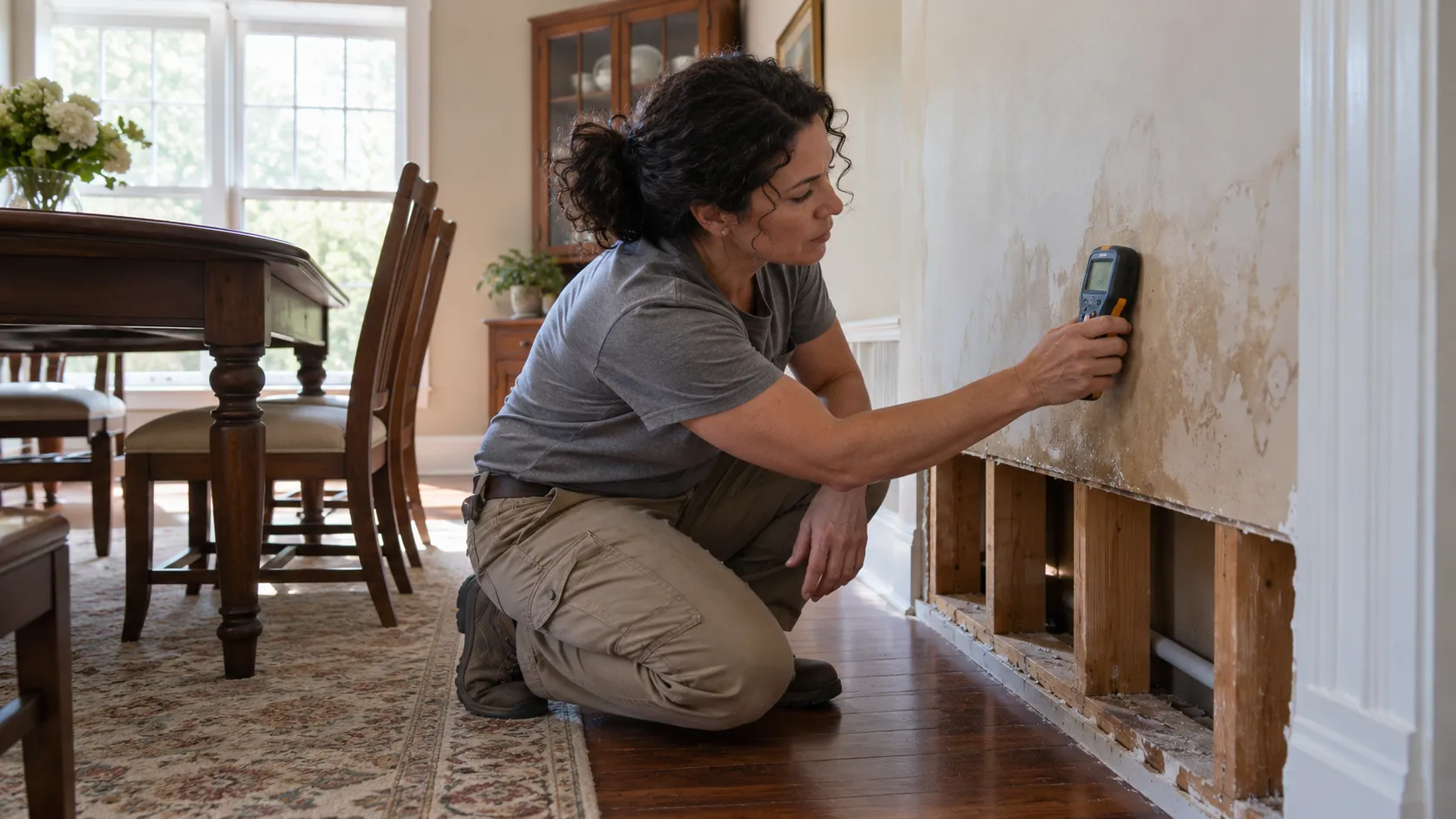
Water damage restoration is the full job of getting a wet home dry, clean, and safe again. It starts with stopping the source and removing standing water. Then it moves to drying walls, floors, and framing, cleaning affected areas, and repairing what could not be saved.
Alliancebody Restoration is a referral service for homeowners in Portland, ME. We do not do the work ourselves. We connect you with an independent local provider from our network, so you spend less time searching. You can request an estimate, compare it with others, and decide at your own pace. This page shows what you can safely do yourself, where to stop, and what to ask before you hire anyone.
Water in the house? Do the safe part first
Stop and look before you touch anything. Standing water and electricity are a bad mix. If water is near outlets, a panel, or plugged-in appliances, stay out of it.
Here is what most homeowners can handle, in this order:
- Shut off the main water valve if a pipe or appliance is the source.
- Cut power to wet rooms at the breaker, but only if the panel is dry and you can reach it without stepping in water.
- Photograph and video everything before you move it.
- Lift rugs, cushions, books, and small items off wet floors.
- Open windows if the weather allows.
Then stop. That is the safe part.
Where DIY ends
A mop and a shop vacuum can handle a spill. They cannot handle water that has soaked into subfloor, drywall, insulation, or the wood framing behind them. If the water came from a drain, a storm, or outside, treat it as a job for a provider. The same goes for water that covers a large area or has been sitting a while.
Why waiting costs you
Wet materials change quickly. Wood swells. Paint bubbles. Drywall goes soft. Mold can start to grow in damp, warm spots within a day or two, and it likes hidden places like wall cavities.
The longer a wall stays wet, the more of it may need to come out. Acting while the problem is small usually keeps the job smaller too. Request a callback to check provider availability, or send a request and let the details reach a provider for you.
Know your water: clean, used, or black
Not all water is equal. Providers sort it into three kinds, and the kind changes the plan.
- Clean water comes from a broken supply line or a leaking tap. It is the easiest to deal with, but it does not stay clean for long.
- Used household water comes from a washing machine, dishwasher, or sump overflow. It carries some contaminants.
- Black water comes from sewage backups or outside flooding. Stay out, and keep kids and pets away. Do not try shortcuts.
When you are unsure, assume the worse kind and ask a provider.
What restoration actually covers
The work usually runs in stages. A provider may:
- Find and map where the moisture went, often with a moisture meter.
- Pull out standing water.
- Set up fans and dehumidifiers to dry the structure.
- Cut out and haul away materials that cannot be saved.
- Clean and sanitize affected surfaces.
- Check moisture levels again until the readings look right.
- Repair or rebuild floors, walls, and finishes.
Not every job needs every stage. A written estimate should tell you which ones apply to yours.
Older homes and cold-weather surprises
Homes in the Greater Portland area bring their own habits. Full basements with stone or block foundations can seep when spring snowmelt saturates the ground. Coastal storms push water against old walls. Cold snaps can split pipes in an attic or an unheated crawl space, and the water shows up when things thaw.
In multi-family buildings, water also travels. A leak upstairs can end up in your ceiling. Take photos of where it came in and where it landed.
Check for hidden moisture
Walk through with your nose and your hands. Look for musty smells, stains that grow, peeling paint, warped baseboards, and cold, clammy patches on walls. Press a dry paper towel against a suspect spot. If it comes away damp, note the spot.
Plan on a provider confirming it. A home test is a clue, not a final answer.
Working with your insurance
Some policies may cover sudden damage, such as a burst pipe. Slow leaks and outside flooding are often treated differently, so check your policy and ask your insurer what applies to you.
Keep your photos, receipts, and a short list of damaged items. Providers can often help document damage for a claim. Do not toss soaked items until you have recorded them.
Stop, then compare
You do not have to accept the first quote. Request an estimate, then set two or three side by side. Compare more than the total. Look at what is included, which equipment will be used, how drying is checked, and who handles the rebuild.
A good estimate is in writing and plain enough to read at the kitchen table. Decide without pressure.
Questions worth asking a provider
- What is in the scope, and what is left out?
- How will you tell when the structure is truly dry?
- Which materials do you expect to remove, and why?
- Do you handle rebuilding, or only drying and cleanup?
- Can you help document the damage for my insurer?
Red flags to walk away from
Be wary of anyone who pushes you to sign on the spot, will not put a price in writing, asks for a large payment up front, or cannot explain the steps. A fair provider answers questions and gives you time.
How the referral works
Alliancebody Restoration is a referral service. It does not do the work. You tell us about the problem, and we connect you with an independent local provider in our network. That provider sends the estimate and does the job if you choose to hire them. There is no obligation.
Getting back to normal
When the work is done, ask for the final moisture readings and keep them with your records. Air the space out. Watch for musty odors in the following weeks, since a lingering smell can point to a damp spot that was missed. Then schedule the rebuild or repairs once everything has dried.
Keep it from happening again
Clean your gutters and aim downspouts away from the foundation. Test your sump pump each season. Insulate pipes in cold spaces. Learn where your main shutoff is, and consider leak sensors near the water heater and washer.
What's Included
Water Removal
Standing water is pumped or vacuumed out first, so the structure can begin to dry and damage stops spreading.
Structural Drying
Fans and dehumidifiers pull moisture from walls, floors, and framing until readings look right.
Cleaning and Sanitizing
Affected surfaces are cleaned, and materials that cannot be saved are removed and hauled away safely.
Repair and Rebuild
Drywall, flooring, and finishes are replaced once everything is dry, so your home looks and feels normal again.
What Restoration Typically Costs
Prices vary a lot by home, water type, and how far the water spread. These are typical U.S. ranges, not quotes. Request a written estimate from more than one provider before you decide.
| Item | Typical range | Notes |
|---|---|---|
| Small clean-water leak, one room | $400 – $1,500 | Caught early, limited drying needed |
| Water removal and drying, several rooms | $1,500 – $5,000 | Depends on equipment and drying days |
| Used-water (Category 2) cleanup | $2,500 – $7,000 | Extra cleaning and sanitizing steps |
| Black water or sewage cleanup | $3,000 – $10,000+ | Contaminated materials need careful removal |
| Drywall and insulation removal | $1,000 – $4,000 | Varies by how much is wet |
| Mold testing and treatment | $500 – $6,000 | Only if mold is found |
How It Works
Do the safe part
Shut off water, stay away from live power, and photograph the damage before moving anything.
Request an estimate
Tell us what happened and where. Your request goes to a local provider.
Compare your options
Read each written scope and price side by side, and ask questions.
Decide without pressure
Choose a provider, or wait. The choice stays with you at every step.
Why Call Alliancebody Restoration
Less Searching
Send one request and reach an independent local provider, instead of scrolling through pages of listings alone.
Side-by-Side Estimates
Compare written estimates and approaches before you pick anyone.
No Pressure
Requesting an estimate carries no obligation, so you set the pace.
Local Providers
Network providers are independent and know the older homes and wet seasons around the Greater Portland area.
Other Services
Need water damage restoration in Portland?
Send a few details about your water problem and request an estimate from an independent provider in our network. You compare, then you decide.
No obligationWater Damage Restoration FAQ
- What should I do first when my house floods?
- Stay safe first. Shut off the water source if you can, keep clear of wet outlets and appliances, and photograph the damage. Then request an estimate from a local provider.
- How fast does mold grow after water damage?
- Mold can begin to grow in damp conditions within a day or two. Drying wet materials quickly lowers the risk, so ask a provider about moisture checks if you are unsure.
- Will my homeowners insurance cover water damage?
- Some policies may cover sudden damage, like a burst pipe, but not slow leaks or outside flooding. Check your policy and ask your insurer. Providers can often help document damage.
Request a callback
Send a few details about your water problem and request an estimate from an independent provider in our network. You compare, then you decide.
No obligation